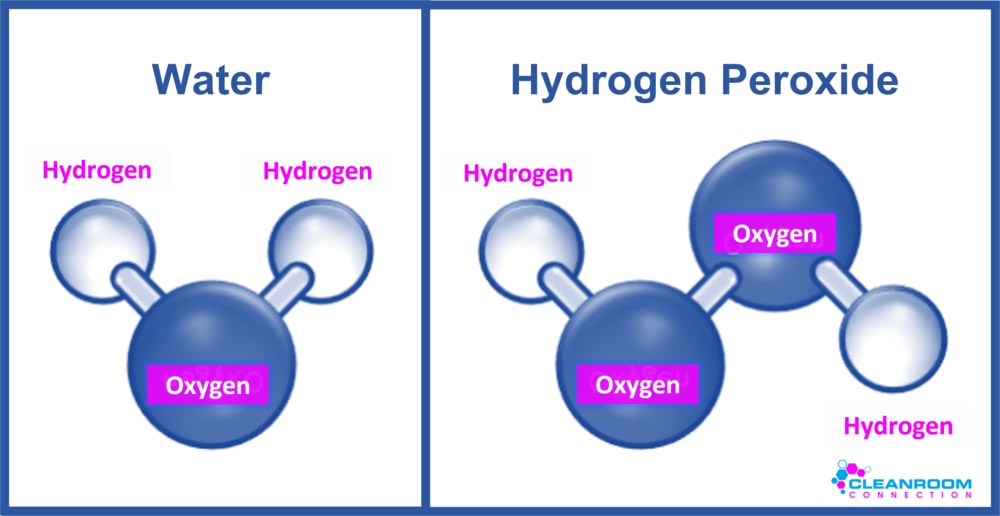
Here’s the nerdy bit, delivered with zero textbooks. Water is H₂O—two hydrogen atoms holding hands with one oxygen atom. Simple, reliable, boring in the best way possible. Hydrogen peroxide is H₂O₂—two hydrogens and two oxygens. That extra oxygen atom is the wild cousin who shows up uninvited and starts breaking things. That single oxygen makes hydrogen peroxide a reactive beast, while water just sits there being delicious.
Think of water as the calm, sensible friend who brings snacks to the party. Hydrogen peroxide is the friend who shows up with a bottle of something that’s technically safe, but then starts foaming at the mouth when you pour it on a wound. That’s not drama—that’s chemistry.
Why One Fizzes and the Other Doesn’t
Pour water on a cut, and you get… wet skin. Pour hydrogen peroxide on a cut, and it erupts like a tiny volcano. What’s happening? Your blood and cells contain an enzyme called catalase, which breaks hydrogen peroxide into water and oxygen gas—fast. Those bubbles you see are pure oxygen escaping, like a fizzy soda, except it’s cleaning your wound by blasting out dirt and bacteria. Water does not do that. Water just looks at your cut and says, “Good luck, pal.”
Fun fact: if you ever spilled hydrogen peroxide on a mammoth (hypothetically—please don’t), the fizz would be legendary. Actually, catalase is in nearly every living thing, so even a potato will foam up if you pour peroxide on it. Yes, I’ve tried it. No, I wasn’t bored—I was inspired.