
An abstract is a standalone summary. It lives alone, often in a database, and it has one job: convince a busy researcher to read your full paper. No pressure, right?
It covers the whole paper in miniature: the problem, your method, key results, and the big takeaway. Usually around 150–250 words. That’s it. No fluff, no history lessons—just the skeleton.
Think of it as the text that appears when you Google something. If it doesn’t spark curiosity, nobody clicks. Harsh but true. You don’t explain your childhood love for physics here—you hook, then run.
What goes in an abstract?
- The research question or gap
- Your approach (in one killer sentence)
- The most striking result
- Why this matters (in plain English)
Side note: If you’ve ever written “This paper explores…” you’re already losing. Be direct. Say “We found X,” not “The paper attempts to explore the possibility of X.” Your reader has a dozen other papers to skim.
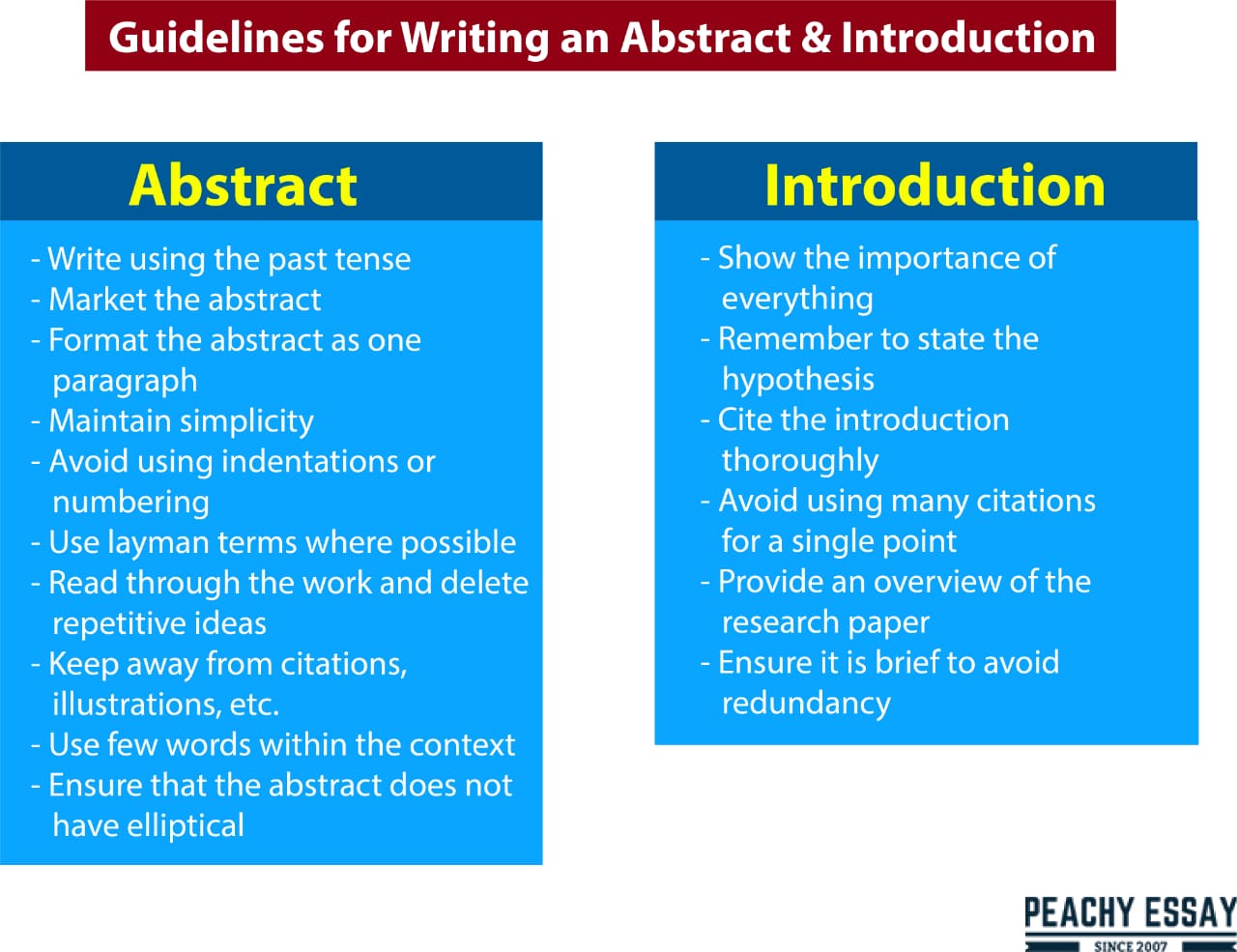 Concept Vs. Introduction — What’S The Difference? – SJIS

