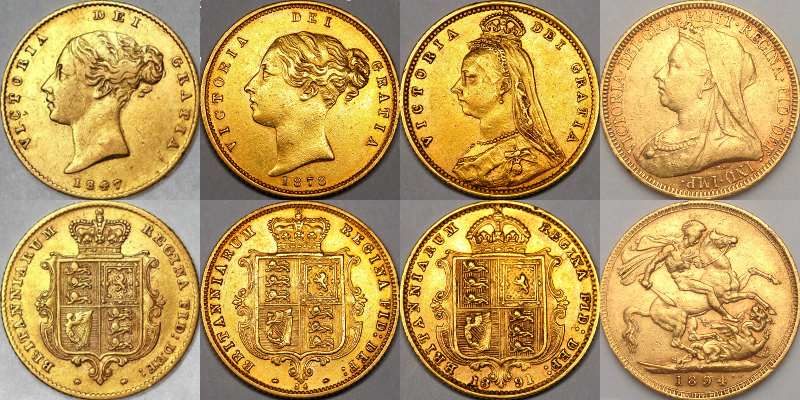
Standing at a checkout today, we take for granted the instant, silent transfer of digital money. Victorian shoppers had to calculate, negotiate, and physically hand over coins that felt heavy with value. Every purchase was a tactile decision—a small ritual of trust and exchange.
Fun fact: The world’s first public cash machine was not Victorian—it arrived in 1967. But Victorian banks pioneered the checkbook and the traveler’s cheque. They invented the concept of “money on demand” that we rely on today.
So next time you tap your phone for a coffee, spare a thought for the factory girl counting out her farthings. The system might have been baffling, but it taught a lesson we sometimes forget: every coin, every note, every digital digit represents someone’s time, labor, and trust. The value hasn’t changed—only the way we touch it has.
And if you’re ever challenged to a game of Victorian trivia, remember: a “guinea” isn’t a country, it’s 21 shillings, and a “pony” was the best bargain you never kept.