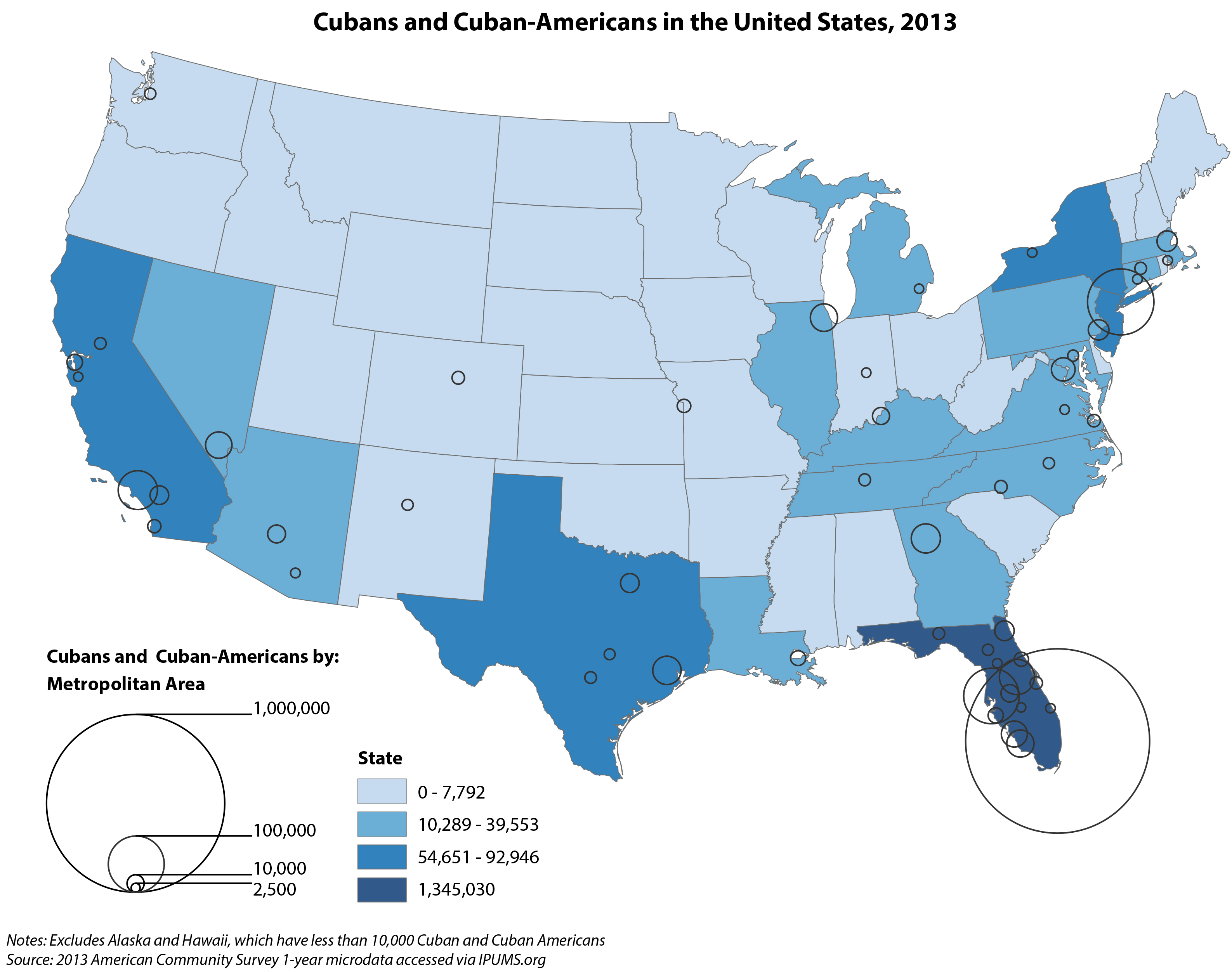
Besides a fierce sense of nostalgia and a deep distrust of beige food, Cubans introduced the U.S. to the Cuban sandwich. This isn’t just a sandwich—it’s a miracle of pressed pork, ham, Swiss cheese, pickles, and mustard that solves political arguments faster than a diplomatic summit. Also: guayaberas, the shirts that look like you’re going to a wedding but are actually just for staying cool while arguing about baseball.
Cubans also brought salsa music (which they will obsessively argue about with Puerto Ricans) and the “Cuban exit strategy”—a legendary skill for leaving any party, family dinner, or awkward conversation with the phrase “Ay, mira la hora” (look at the time) while already halfway out the door.
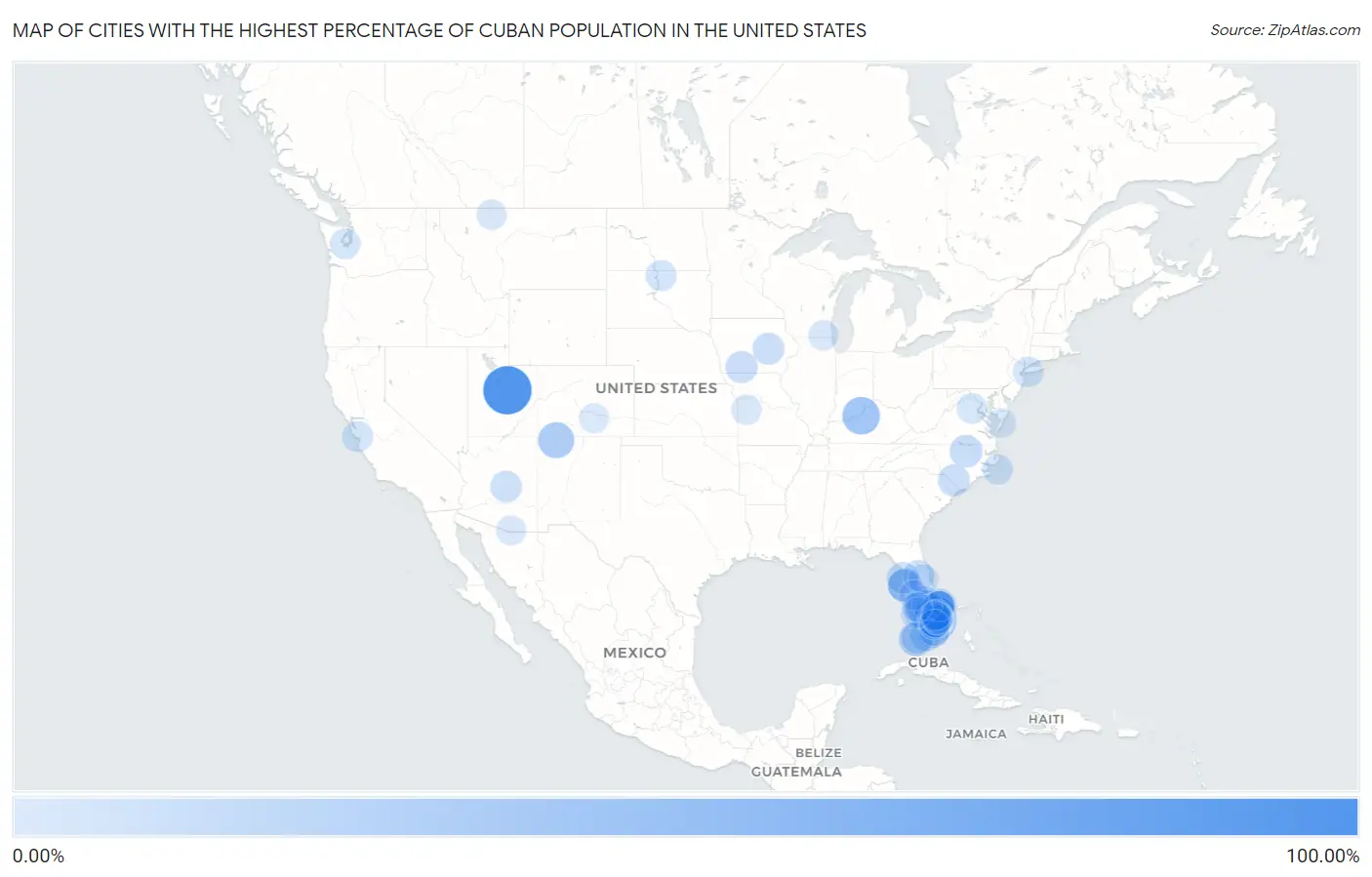 Percentage of Cuban Population in the United States by City | 2026
The politics of being Cuban-American
Here’s where it gets juicy. For decades, Cuban-Americans were famously Republican-voting and hardline anti-Castro. They turned Miami into a fortress of conservative exile politics, complete with bumper stickers that said “Cuba Sí, Comunismo No.” But guess what? The younger generation is shaking things up like a mojito in a blender.
Millennial and Gen Z Cubans are more likely to support engagement with Cuba and less likely to shout at you about the 1960s. They still love their abuela’s cooking, but they also like trap music and avocado toast. The culture clash is real: imagine a family dinner where grandma is singing “Patria y Vida” while grandpa is still trying to book a flight to overthrow the government.