Here’s the thing: you’re not just cooking a turkey; you’re cooking two things at once—the meat and the stuffing inside it. The danger lies in that cozy, dark center where bacteria like Salmonella and Campylobacter love to party.
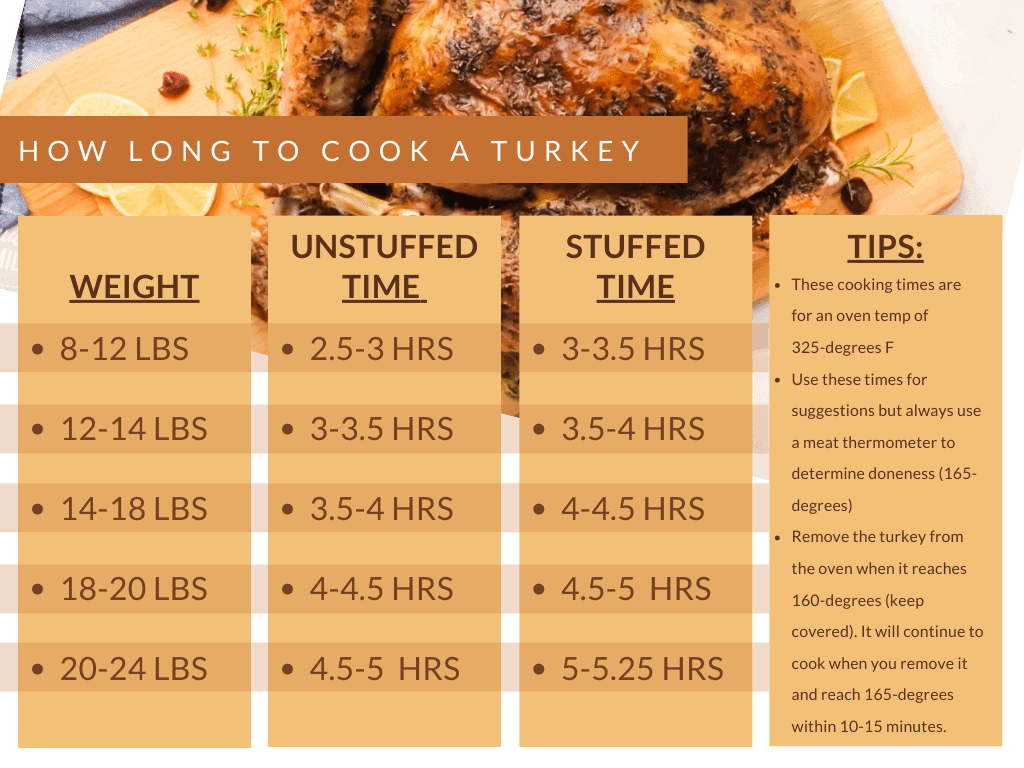
The stuffed turkey needs to reach 165°F (74°C) in the center of the stuffing, not just in the breast or thigh. Why? Because if you only check the bird’s temp (say, 160°F in the breast), the stuffing might still be at 150°F—which is the perfect temperature for bacteria to thrive and multiply while the turkey rests. Gross, right?
The golden rule: Don’t trust the bird, trust the stuffing
Forget the pop-up timer that came with your turkey (seriously, throw it away). You need a good instant-read thermometer, preferably one that beeps. Stick the probe into the center of the stuffing, not the meat. If that stuffing reads 165°F, you’re golden. If it’s 155°F, the turkey might look done, but the stuffing is a biological time bomb.
And here’s a quirky math problem for you: a hollow turkey cooks faster than a stuffed one. The stuffing acts like a heat sink, drawing energy away from the meat. So, expect your roasting time to increase by 30 to 45 minutes compared to an unstuffed bird. Plan accordingly, or you’ll be that person eating dinner at 9 p.m. with hangry guests.

