
Alright, grab a pot and your beans—any kind works, from pintos to chickpeas. Rinse them first, because dusty beans are gross. Then, cover them with water by about three inches. Seriously, a lot of water—it’s not a suggestion, it’s a survival rule.
Bring that pot to a boil, then drop the heat to a gentle simmer. Here’s the tricky part: you might need to skim off foam that rises to the top. That’s just bean farts escaping, and it’s totally normal. Keep simmering until they’re tender—this could be anywhere from 1.5 to 3 hours, depending on the bean.
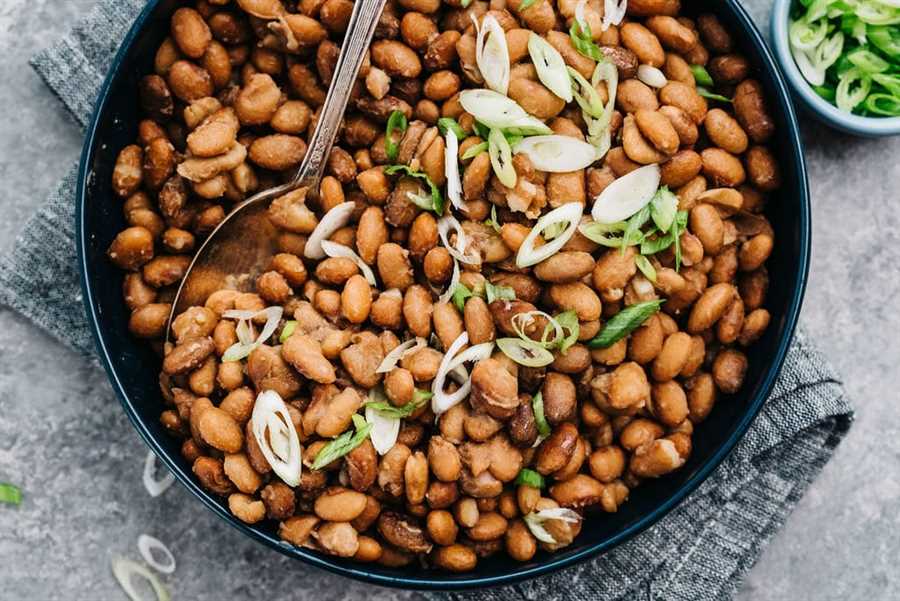 Can you cook dry beans without soaking - Metro Cooking Dallas
Why does it take longer? Because unsoaked beans are stubborn little rocks. They’re basically saying, “Make me soft,” and you have to patiently prove them wrong. But when they finally give in? Heavenly, creamy perfection.
The Real Magic: Flavor and Texture
Here’s a mind-blowing thing: no-soak beans often taste better. When you skip the soak, the bean’s natural starches stay in the pot. That means your broth gets thick, silky, and almost sauce-like—like a built-in gravy. Soaked beans tend to shed that goodness down the drain.
And the texture? It’s not mushy. Unsoaked beans hold their shape better because they absorb water slowly while cooking. It’s like the difference between a firm avocado and one that’s been squeezed to death. You get that satisfying pop when you bite into them.

