
Picture this: the Canary Islands are known for eternal spring. Perfect weather, black sand beaches, and volcanoes that look like they’re from Mario Kart. Tourists flock there because it’s affordable, safe, and Instagrammable. But now, the very thing that made them famous—being a chill, welcoming escape—is being destroyed by its own popularity. Talk about a buzzkill.
I read one protester’s sign that said, “My grandfather grew bananas here. Now he grows miniature golf courses.” Okay, I’m paraphrasing, but you get the sentiment. Locals feel like they’re losing their identity. Their beaches, their traditions, even their quiet mornings—all turned into a product to be consumed. And who can blame them for being upset?
What does this mean for you, the would-be traveler?
If you’ve already booked tickets to Tenerife, don’t panic. No one’s going to throw a mojito at you. But maybe think about where you stay and how you travel. Instead of a big resort, try a locally owned guesthouse. Instead of eating at a chain restaurant, find the spot where the owner’s abuela makes the best papas arrugadas (wrinkly potatoes—trust me, they’re a thing).
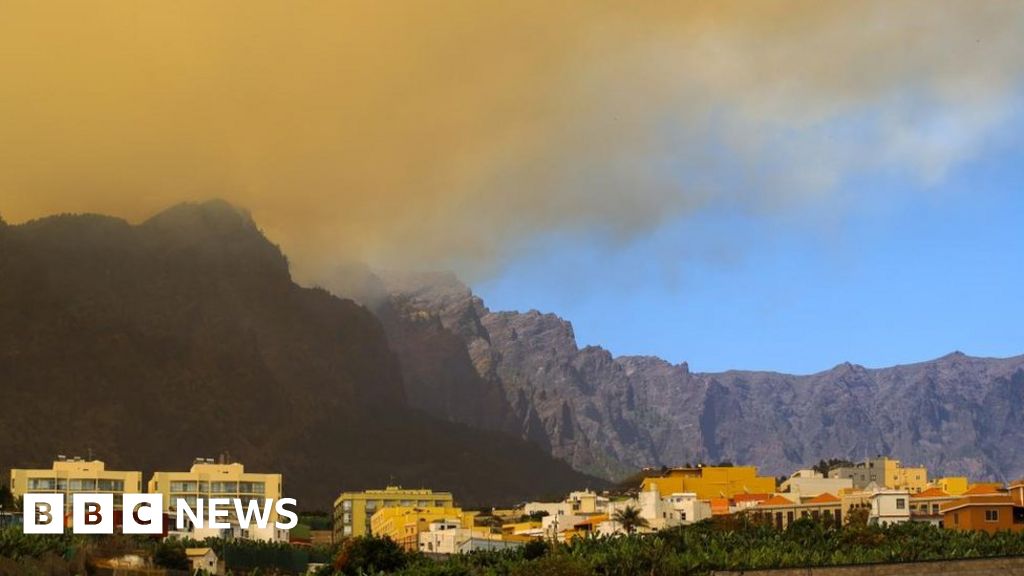 La Palma: Thousands evacuated as Canary Island wildfire burns
And here’s a radical idea: go in the off-season. Like, what if you went in November? The weather is still warm, but the crowds are thinner. You’ll actually find a spot on the sand without having to use a towel as a territorial flag. Wild, right?
Also, consider voluntourism or eco-travel. Some groups on the islands are planting trees, cleaning beaches, and supporting local farmers. Imagine saying, “I went to the Canary Islands and helped restore a dune.” Vs. “I went to the Canary Islands and got a sunburn in a pool shaped like a giant starfish.” Which story wins?

