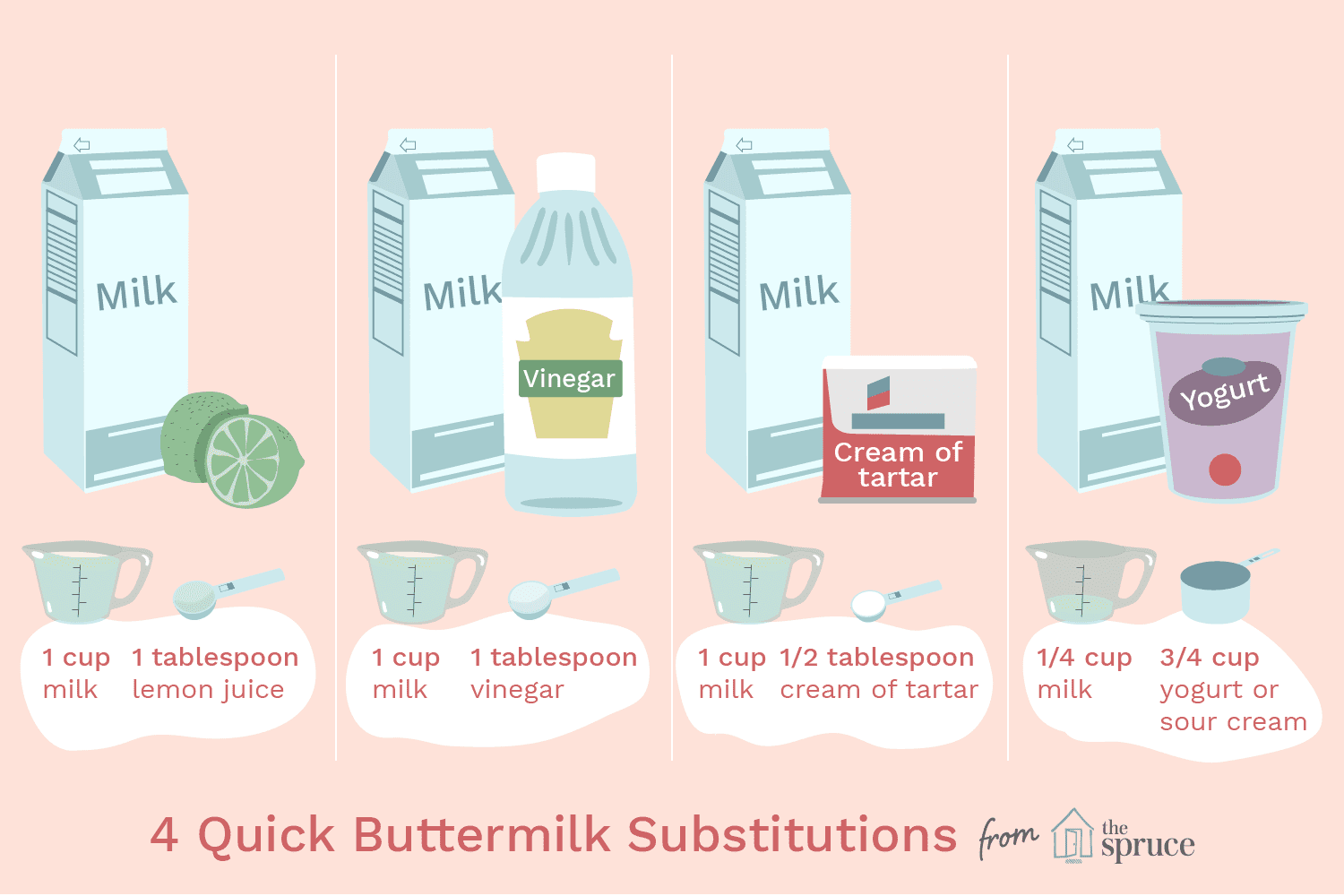
Yes, you can substitute buttermilk for milk in most recipes. But—and this is a big, fluffy but—it’s not a straight, one-to-one swap without a few tweaks.
Think of buttermilk as milk’s tangy, slightly rebellious cousin. It’s thicker, more acidic, and has a mind of its own. Use it wrong, and your cookies might taste like a sour science experiment. Use it right, and chef’s kiss.
When It Works Like a Charm (And When It Won’t)
Buttermilk is a rockstar in baked goods that need a lift. Pancakes, waffles, biscuits, and cakes? Go for it. The acid reacts with baking soda to create bubbles, making things fluffy and tender. Your pancakes will be practically singing show tunes.
But if you’re making a creamy sauce, scrambled eggs, or a simple glass of morning milk? Stop right there. Buttermilk will curdle under high heat, leaving you with lumpy, sad gravy. Trust me, I’ve been there—it’s not a vibe.
For drinking? Unless you’re a fan of sour, fizzy milk (no judgment—you do you), stick to regular milk. Buttermilk is a wonderful tool, not a universal milk replacement.

