Did you know that chicken sashimi is a thing in Japan? It’s called toriwasa, and it’s served very fresh, often with a dipping sauce. But here’s the catch: it’s only safe because the chickens are raised in extremely controlled conditions and the meat is prepared by trained chefs. Don’t try that at home.
Meanwhile, in the U.S., we’ve had a cultural love affair with fried chicken. From Nashville hot strips to Southern buttermilk fried, we trust the heat of the oil to save us. And it does—if we’re careful about not dipping cooked chicken back into the same raw marinade. That’s a classic mistake.
Even the CDC gets in on the action: they recommend using separate plates for raw and cooked chicken. It’s not paranoid; it’s just smart date-night prep.
Your Practical, No-Nonsense Survival Guide
Let’s get actionable. First, hack your fridge. Store raw chicken on the bottom shelf, in a sealed container, so its juices can’t drip onto your lettuce or milk. This is non-negotiable.
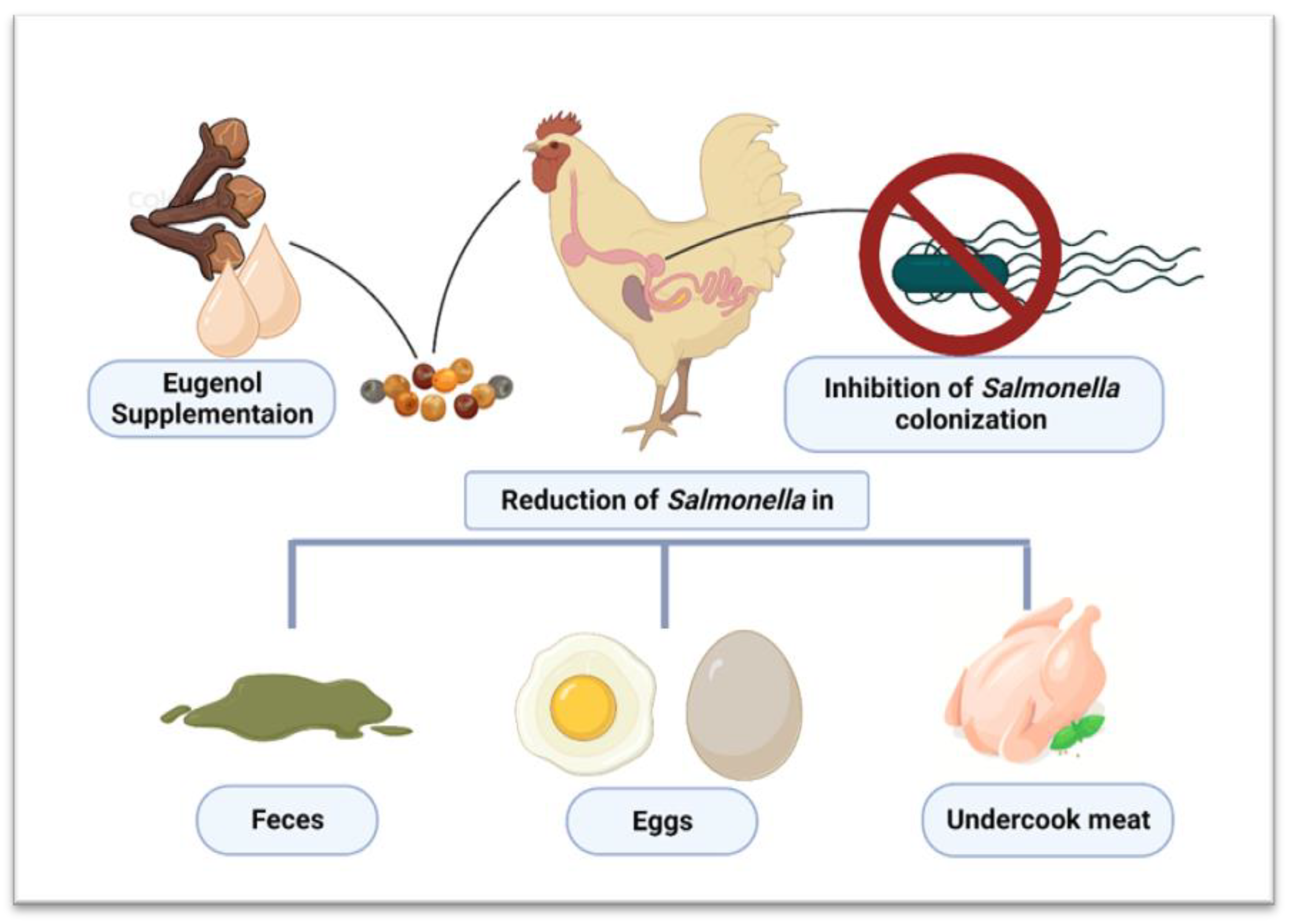 Salmonella Chicken
Second, invest in a good instant-read thermometer. Forget the color test—a pinkish chicken might be safe, and a white one might not be. 165°F is your magic number. Stick the probe into the thickest part of the breast or thigh.
Third, practice the “one-and-done” rule with your sponge. If you use a sponge to wipe up raw chicken juice, toss it in the dishwasher or microwave it. But honestly? Paper towels are your best friend for raw chicken cleanup. No second chances.