Here’s the simple routine. First, wash and peel your carrots and celery. Then, chop them into the sizes you’d actually use in a recipe—diced for soups, sticks for snacking (though snacking is a stretch for frozen). Next, blanch them: drop them in boiling water for two minutes for carrots, one minute for celery.
Immediately plunge them into a bowl of ice water. This stops the cooking. Then, drain them absolutely dry. Dry is not a suggestion; it’s a commandment. Otherwise, you’ll end up with a giant block of icy, lumpy vegetable slush. Nobody wants that.
Finally, spread them in a single layer on a baking sheet and freeze for an hour. This is called “flash freezing,” and it’s the secret to free-flowing veggies. After that, toss them into a freezer bag, squeeze out the air, and label it. Future you will thank you.
What Not to Expect (A Reality Check)
Let’s be real: frozen carrots and celery will never be as crisp as fresh ones. They are the vegetable equivalent of a microwave dinner—convenient, but not a replacement for a crisp, raw salad. Using them in a crudité platter is a disaster waiting to happen.
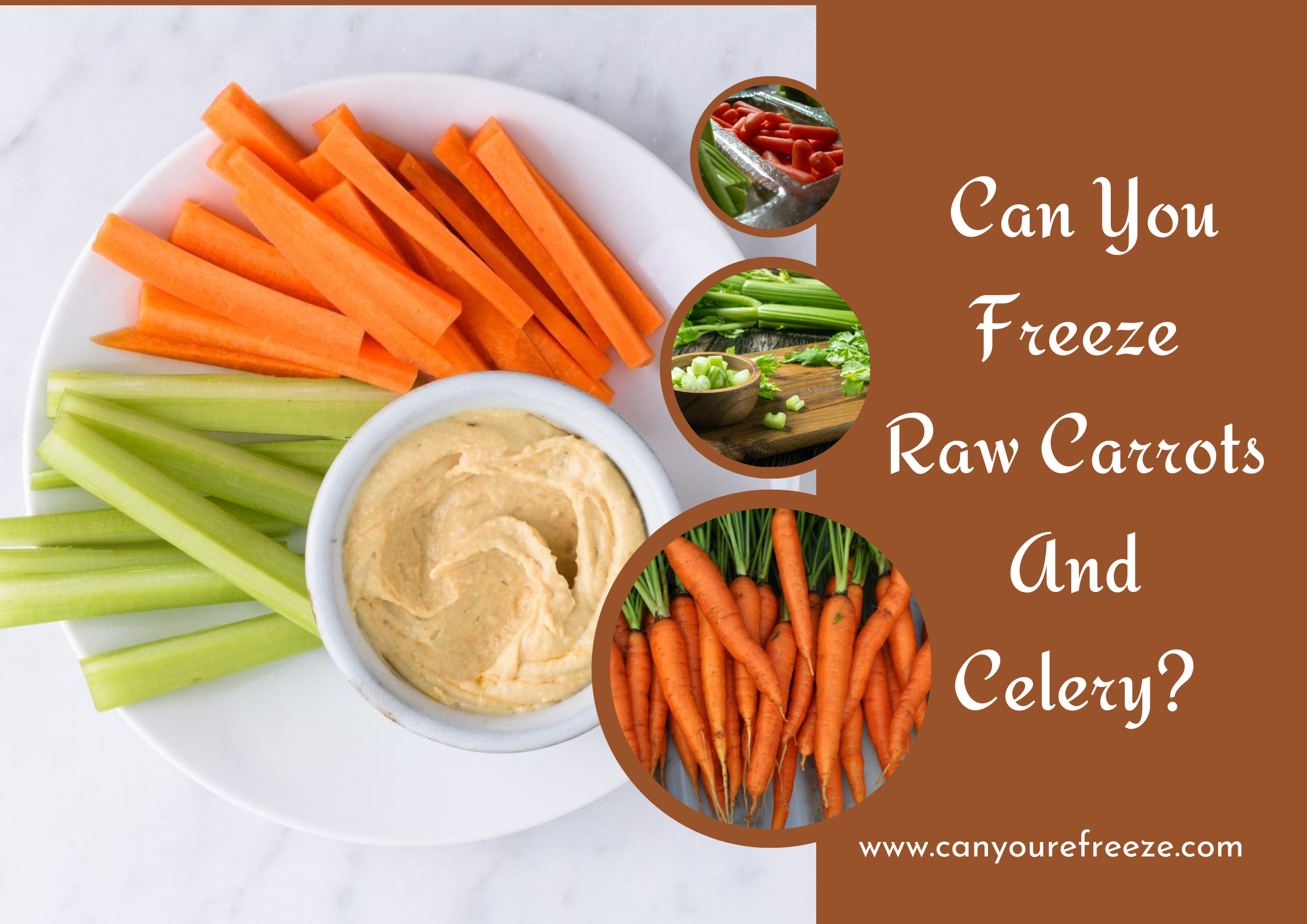 Can You Freeze Raw Carrots And Celery? Tips And Tricks To Know For
Instead, think of them as your flavor foundation. Toss them straight from the freezer into a pot of soup, a slow cooker, or a pasta sauce. They’ll thaw and soften as they cook, releasing all their lovely, earthy goodness. They are the unsung heroes of a busy Tuesday night.
I once tried to make a “frozen veggie stir-fry” with unblanched celery. The result was a watery, sad mess that tasted like a rainy Wednesday. I learned my lesson. Blanch or bust.