Here’s the quirky truth: size matters with black drum. A small one—say, under 15 pounds—is a culinary star. Its flesh is white, flaky, and mild. Think of it like a cross between redfish and asnapper. But a giant, old black drum? That’s a different story. Giant ones can be tough and wormy. Yes, worms. Don’t panic—they’re harmless, but they’re not appetizing.
The flavor changes with age. Young drum taste clean and sweet. Old drum taste like… well, like mud and algae. That’s because they eat more crabs and crunchy stuff as they age. So, catch a small one for dinner. Release the dinosaur.
How to Cook It Like a Pro
Cooking black drum is where the fun really starts. Because it’s a lean fish, it dries out fast. Don’t overcook it—that’s the #1 sin. A simple pan-sear with butter and lemon? Chef’s kiss. Or blacken it Cajun-style with spicy seasoning. The flesh holds up great on the grill.
Try this weird trick: marinate it in buttermilk for thirty minutes before cooking. Why? It tenderizes the meat and kills any muddy taste. Then dredge it in cornmeal and fry it until golden. Serve with hushpuppies and hot sauce. You’ll forget it ever lived in the mud.
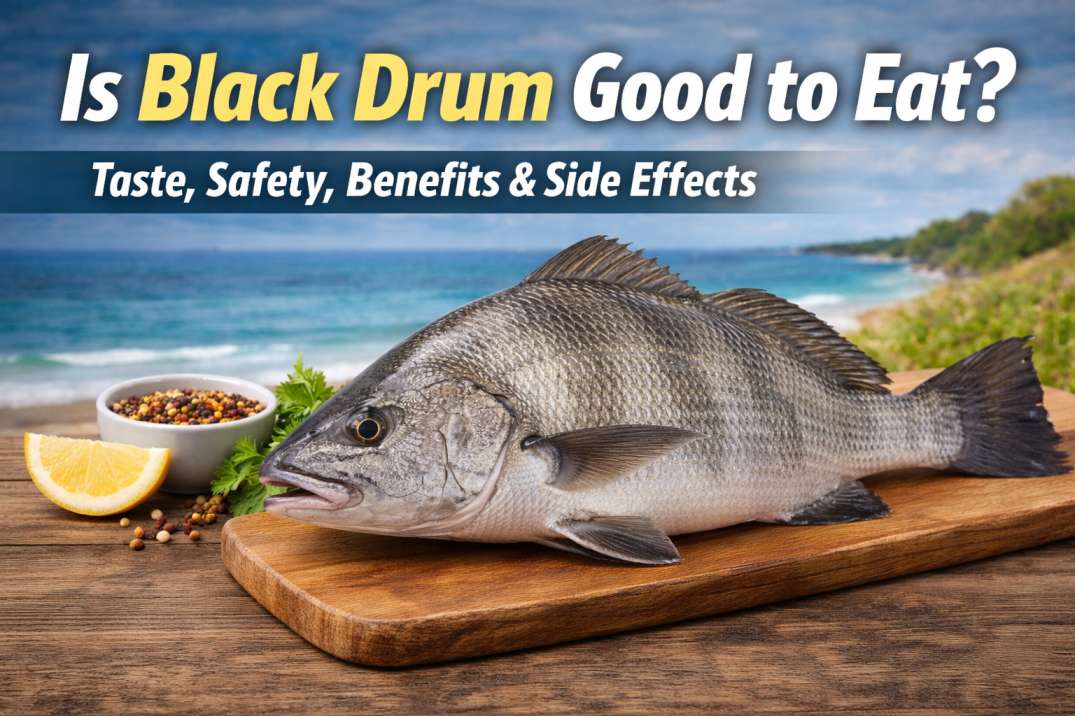 Is Black Drum Good to Eat? (USA Guide: Danger & Safety) - FishioHub