
Shrimp has a bad reputation, and I get it. We’ve all had that sad, rubbery, frozen shrimp from a grocery bag that tasted like the ocean’s forgotten laundry. Raw shrimp in the wild? It’s soft, gray, and smells faintly of a low tide. Not exactly appetizing.
But here’s the thing: shrimp spoils fast, and your nose knows it. If that shrimp smells like a fishy handshake or a wet dog, throw it out. Don’t be a hero. Fresh shrimp should smell like nothing—or like the clean, briny air of a dock. Anything else is a red flag the size of a beach towel.
The Lime Lake effect
When you drop raw shrimp into a bowl of lime juice, something beautiful happens. The acid denatures the proteins—fancy chef talk for “turns the shrimp from a squishy noodle into a bouncy, pink nugget.” It usually takes about 15 to 30 minutes, depending on how thin you cut them. Too short? You get a slimy surprise. Too long? You get rubbery little tires that bounce off your plate.
I once made ceviche for a group of friends and left the shrimp in lime juice for an hour while I argued about the correct way to peel an avocado. The shrimp turned into little pink erasers. My friend took one bite and said, “This tastes like a tennis ball’s memory.” Embarrassing. So, timing is everything.
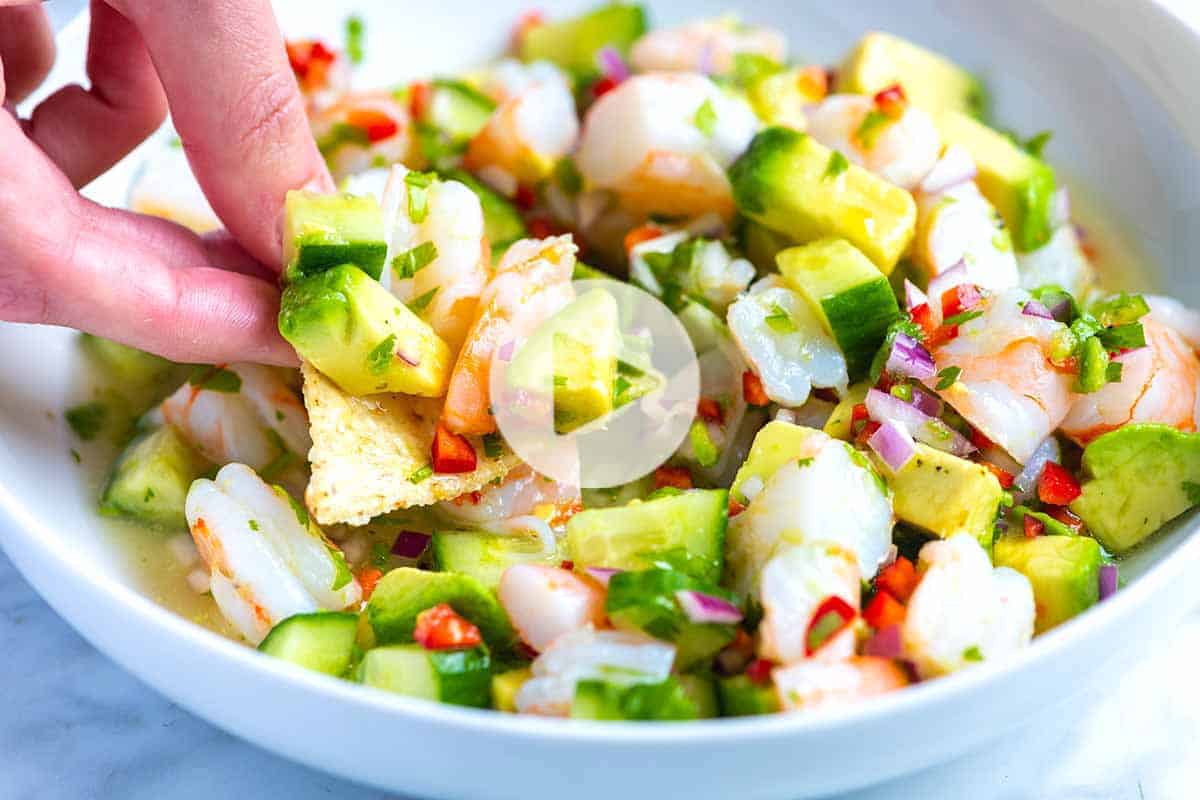 Is Shrimp Ceviche Healthy? The Ultimate Guide to This Refreshing

