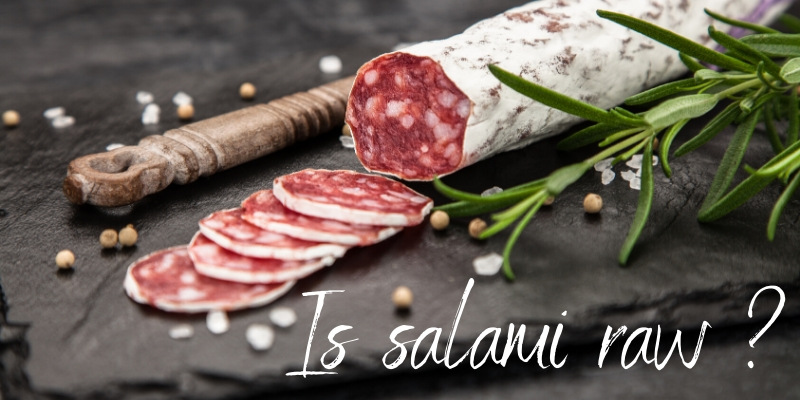
Salami is born from a process called fermentation, which sounds like something you’d do to a science fair volcano, but it’s actually a controlled bacterial party. Good bacteria—like Lactobacillus—munch on sugars in the meat, producing lactic acid that drops the pH to a level where nasty bugs can’t survive. It’s like giving the salami a secret army of tiny, sour bodyguards.
Then comes drying. The salami loses about 30% of its water weight, turning it into a dense, chewy mummy of flavor. Without water, pathogens can’t swim, so they just shrivel up and die. Think of it as a meat apocalypse—but in a good way.
So yes, you can eat it raw because it’s been cured, not cooked. But here’s the kicker: the USDA insists on calling it “ready-to-eat” only after it’s undergone a specific safety check. If it’s a dry salami from a reputable brand, you’re golden. If it’s a moist, slimy tube from a questionable gas station, run.
But Wait—What About the Pink Stuff?
You’ve probably noticed salami is often a startlingly pink color. That’s not from unicorn tears; it’s from nitrates and nitrites. These salts are added to prevent botulism (a.k.a. the worst party guest ever) and to keep the meat looking festive. Without them, salami would turn a depressing gray-brown, like a zombie’s complexion.
Also, fun fact: nitrates are naturally found in celery, so “uncured” salami often uses celery juice. It’s the same chemical, just with a better PR agent. Don’t let the health-food aisle fool you.
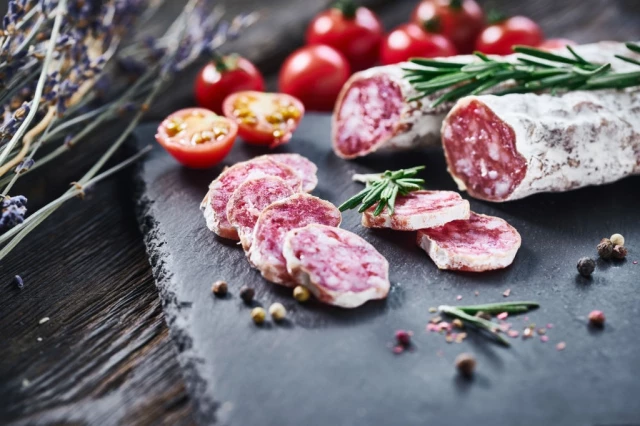 Can You Eat Salami Raw? Here’s What Is Important To Know!

