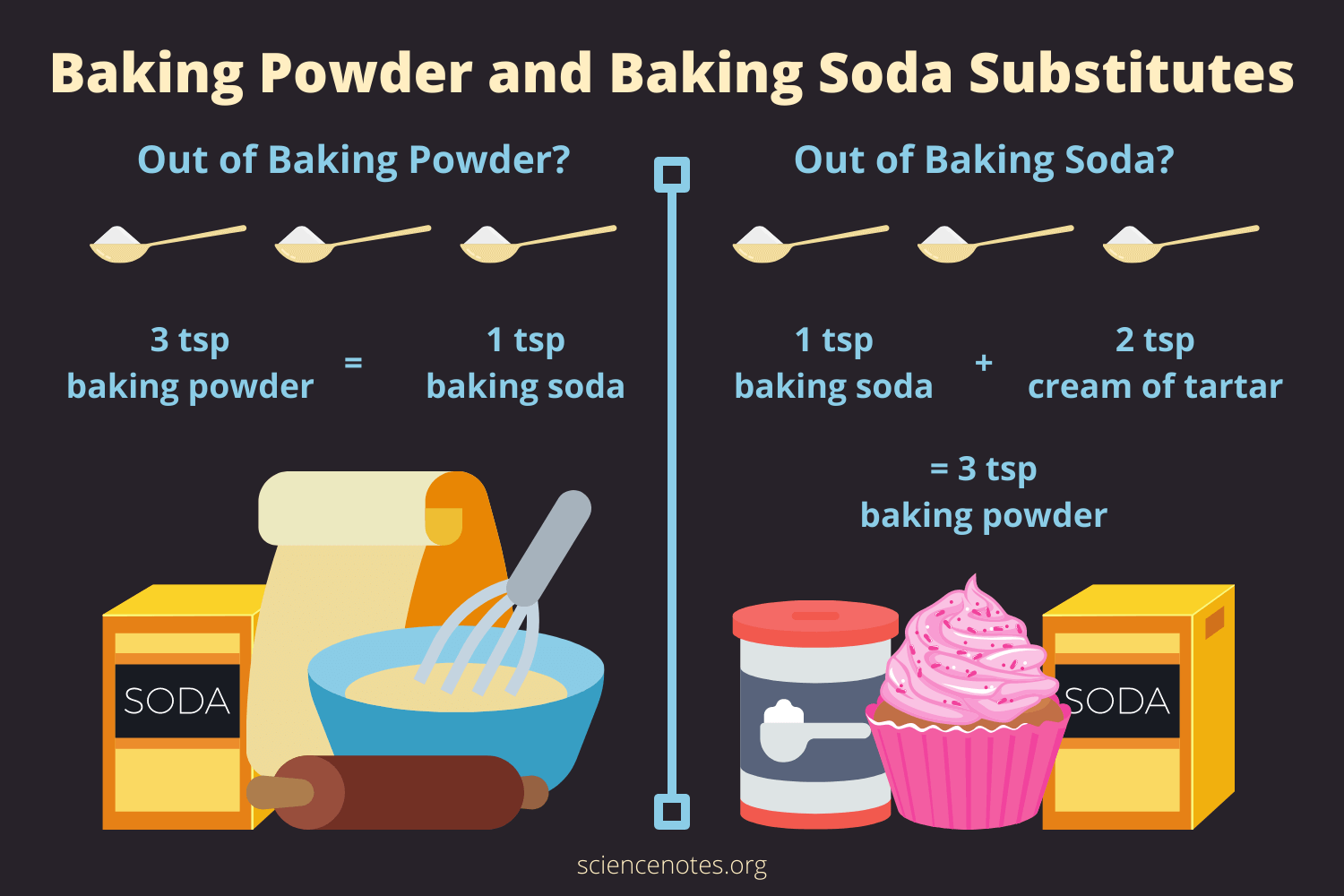
Here’s the good news: you can replace baking soda with baking powder, but you have to play by different rules. The ratio is your new best friend. For every 1 teaspoon of baking soda your recipe calls for, use 3 to 4 teaspoons of baking powder. Why? Because baking powder is much weaker than baking soda. It’s like swapping a shot of espresso for a weak cup of instant coffee—you need way more to get the same kick.
But wait—there’s a catch. If your original recipe already uses an acidic ingredient (like yogurt, honey, or cocoa), you might need to reduce or remove that acid. Otherwise, you’ll end up with a sour, metallic taste that makes your taste buds do an involuntary shudder. It’s like adding lemon juice to a cake that already has a built-in lemon—too much zing turns into a pucker-fest.
A Personal Anecdote of Disaster
I once tried this swap with a batch of chocolate chip cookies. I was out of baking soda, so I confidently dumped in baking powder, thinking, “How hard can it be?” The cookies came out looking like fluffy little pillows. Not the chewy, gooey wonders I wanted—they were more like cake-flavored marshmallows that crumbled on the first bite. My husband asked, “Did you mean to make these for a toddler’s tea party?” I didn’t have the heart to tell him they were intended for a poker night.
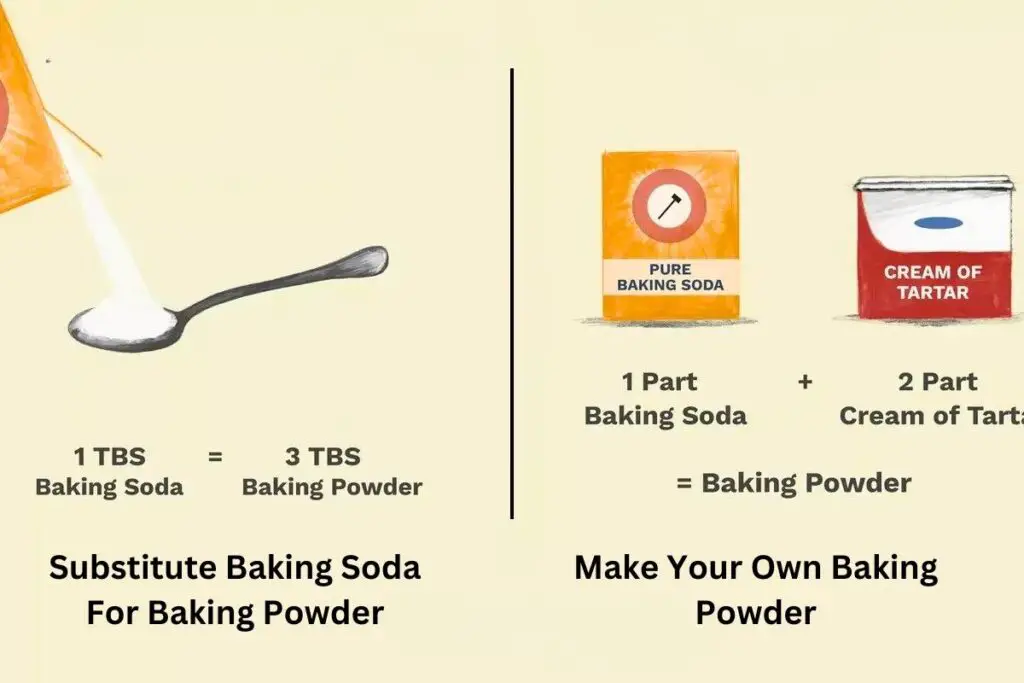 Can Baking Powder Substitute For Baking Soda?
Lesson learned: baking powder makes things rise higher and faster, but it doesn’t give you that golden-brown, crisp edge that baking soda does. Baking soda also helps with browning, which is why your pancakes look like they’ve been sunbathing. Without it, your baked goods might end up pale and unassuming, like they’ve never seen daylight.