
You’ll be outside for hours, so dress like you’re camping on the moon. Three layers: a merino wool base, a fleece mid-layer, and a windproof outer shell. Don’t forget thermal socks, insulated boots, hand warmers, and a hat that covers your ears. Your mom was right—you will lose heat from your head.
Pro tip: bring a headlamp with a red light. White light ruins your night vision and annoys other sky-watchers. Red light lets you see your camera settings without turning the sky into a disco floor.
If you’re using a smartphone, accept that most shots will look like blurry ghosts. Instead, hire a local guide with a proper camera—or rent a DSLR with a remote shutter and a wide-angle lens. Set the ISO to 1600, aperture to f/1.8, and shutter speed to 5–10 seconds. For a pro result, bring a tripod and turn off autofocus—manual focus to infinity is your best friend.
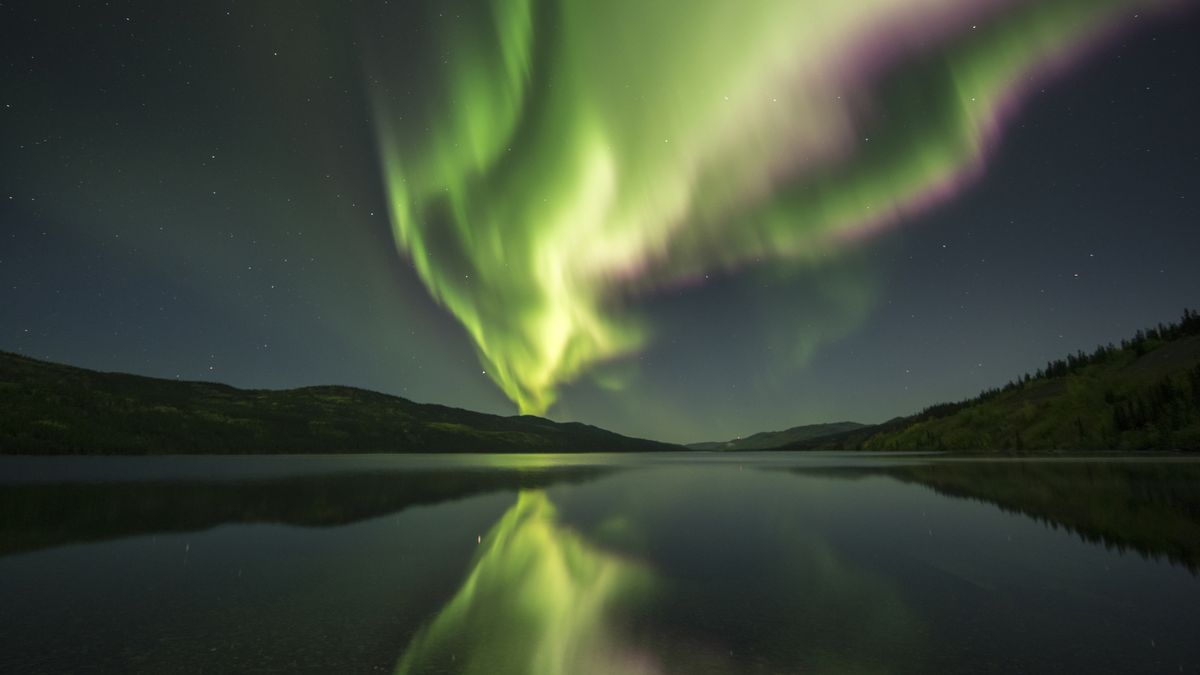 Where are the best places to see the Aurora Borealis? | Advnture
The Comfort Factor: Where to Stay
Skip the glass igloos if you’re on a budget—they’re overpriced and often fog up. Instead, book a cozy cabin with a wood-fired sauna and a snow-free deck. The best hosts will wake you up if the aurora starts dancing, so don’t be shy about asking. Little secret: cabins in rural Finland or Canada often have better views than luxury resorts.
For a cultural twist, join a husky sledding trip or a reindeer sleigh ride with the Sami people in northern Scandinavia. They tell stories of the aurora being the spirits of their ancestors, which adds a layer of awe you won’t get from a tour bus. In Swedish and Sami folklore, the lights were thought to be the souls of children dancing in the sky.
Another fun fact: the aurora isn’t just green. It’s actually caused by charged particles from the sun hitting oxygen and nitrogen. Green is most common because the air is denser lower down, but red and purple happen higher up, above 150 miles. If you see purple, take a photo—you’ve witnessed a rare altitude that most people miss.

