You can’t just step outside at 3 PM and expect a curtain of green. The prime viewing time is usually between 10 p.m. and 2 a.m. local time. That’s when the aurora oval—that ring of light around the magnetic pole—swings closest to you.
But here’s the secret the pros use: the aurora often appears in two peaks—one around 10 p.m. and another around midnight. If you see a lull, don’t give up. Grab a thermos of hot chocolate and wait. The show isn’t over until the sky says so.
Darkness is Your Best Friend
Light pollution is the enemy of aurora chasers. You need pitch black skies. That means getting away from city lights—find a spot where you can see the Milky Way with your naked eye. Even a full moon can wash out faint auroras, so check the lunar calendar.
Pro tip: download a moon phase app. A new moon (when the moon is invisible) gives you the darkest skies. Combine that with a clear night and no clouds, and you’ve hit the viewing jackpot. Trust me, your photos will thank you.
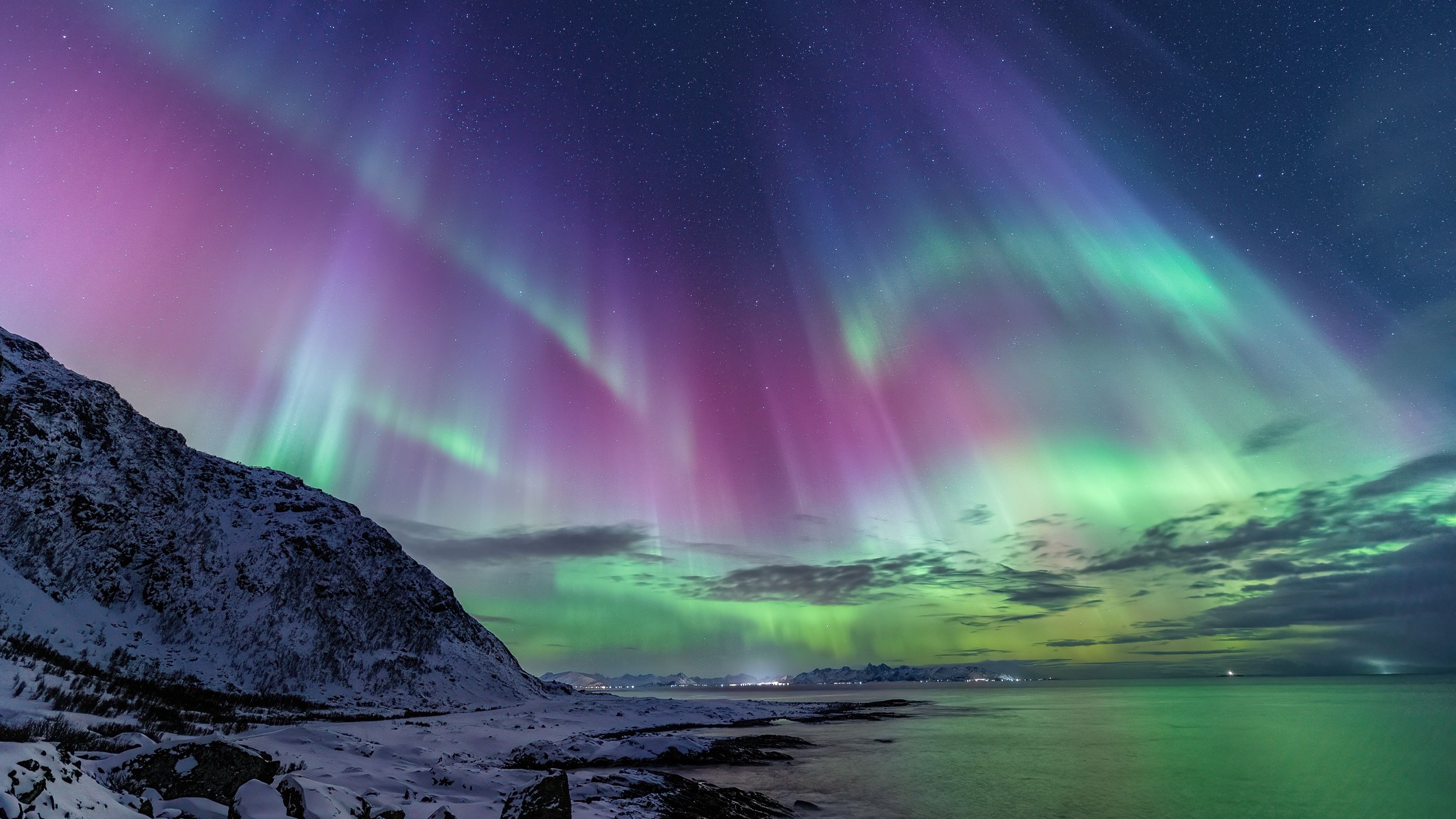 Exploring the Northern Lights: Understanding the Aurora Borealis and