Iron isn’t always bad for plants. A little bit is a trace mineral. But when it’s in your water lines, it’s like that friend who eats all your snacks and leaves crumbs everywhere – pure chaos.
That iron oxidizes (fancy word for rusting) in your pipes. It builds up. It clogs your emitters. It turns your beautiful drip system into a sad, dripless mess.
So, what’s the fix? You need a filter that’s strong enough for the job. Not a dinky little inline thing from the hardware store. We’re talking industrial-strength charm for your water.
Option 1: The Birm Filter – Your Rusty Water’s Worst Nightmare
First up: the Birm filter. This bad boy uses a catalytic media that loves eating iron. It’s like a Pac-Man for rust particles. You backwash it occasionally, and it keeps chugging along.
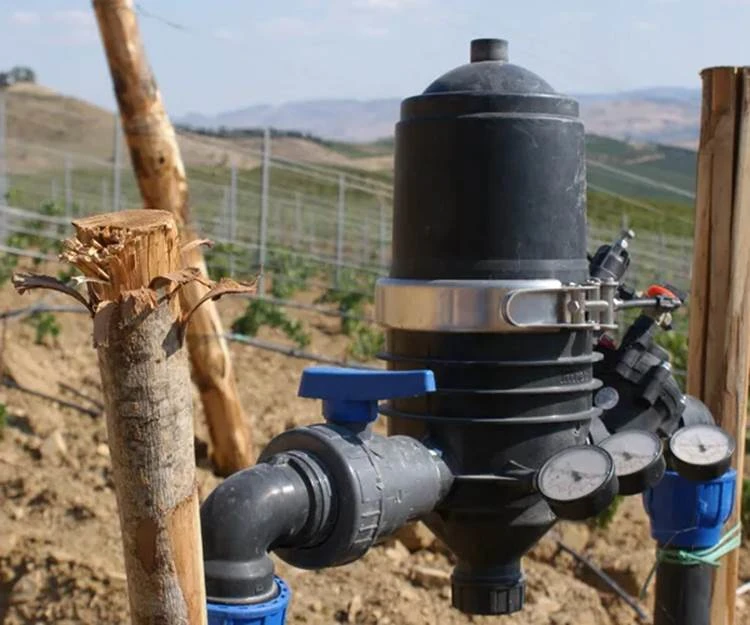 Irrigation System Filters,Agriculture Irrigation, | Astore Keymak
Here’s the catch: your water needs a certain pH. Usually above 6.8. If your water is too acidic, Birm turns into a grumpy toddler. It just stops working. So test your water first – or risk a tantrum.
But when it works? Oh, it’s beautiful. Crystal-clear water, happy plants, no orange stains on your white fence. This is the no-nonsense choice for moderate iron levels (under 10 ppm).
Option 2: The Greensand Filter – The Old Reliable
Next, we have the Greensand filter. Think of it as the grandpa of iron filters. It’s been around forever, and it still gets the job done. It uses a special glauconite sand treated with potassium permanganate.
Sounds like a chemistry experiment? It kind of is. But it’s a dirty one. You have to add potassium permanganate crystals to a brine tank. It’s messy. It can stain your driveway pink if you sneeze while refilling.
But it’s a powerhouse for high iron – like 15 ppm or more. If your water looks like it’s been brewing in an old skillet, Greensand is your buddy. Just be ready to get your hands a little purple.
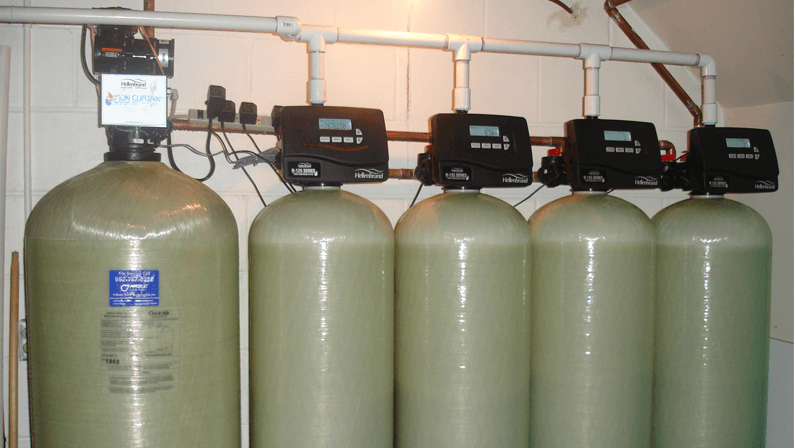 Iron Filter for Irrigation and Deephaven Family
Option 3: The Air Injection Oxidizing Filter (The Boss)
Now we’re talking. The air injection filter – also called an AIO system. This is the cool kid on the block. It injects air into the water, oxidizes the iron instantly, and then filters it out. No chemicals, no messy brine tanks.
It’s like giving your water a breath of fresh air. Literally. The air turns the dissolved iron into solid rust particles, and the media catches them. It’s smart, efficient, and low-maintenance. You don’t have to feed it anything except electricity for the air pump.
Downside? It’s pricier upfront. But if you have iron bacteria (that gross orange slime that smells like rotten eggs), this is your only real friend. It kills the bacteria and filters the iron. Worth every penny.
Option 4: The Centrifugal Separator – For the “Just Rust” Folks
Wait, what if your iron is mostly just big rust flakes? Like, you can see them floating in a glass of water? Then you don’t need a filter that dissolves stuff. You need a centrifugal separator.
This thing uses spinning force to fling the heavy rust particles out of the water. No media, no backwashing. Just physics doing its cool dance. It’s basically a water tornado that catches garbage.
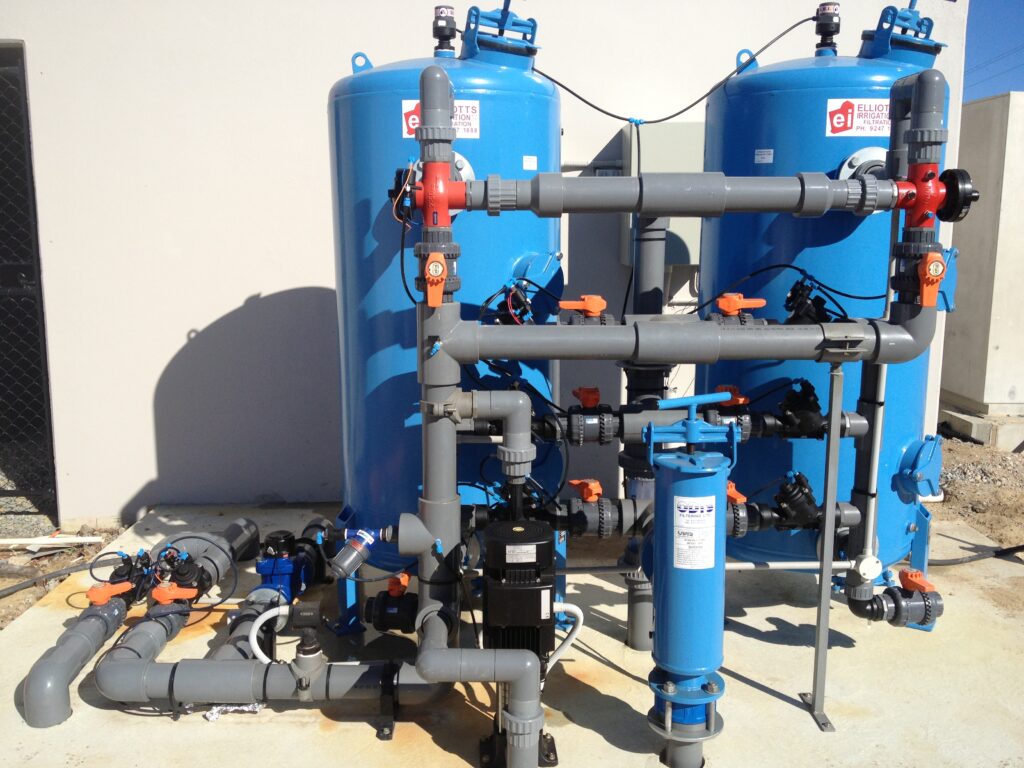 Iron Filtration - Elliotts Filtration
It’s cheap, easy, and perfect for wells with large sediment. But it won’t touch dissolved iron. So if your water looks clear but turns orange later, skip this one. It’s for the “rust chunks” crowd only.